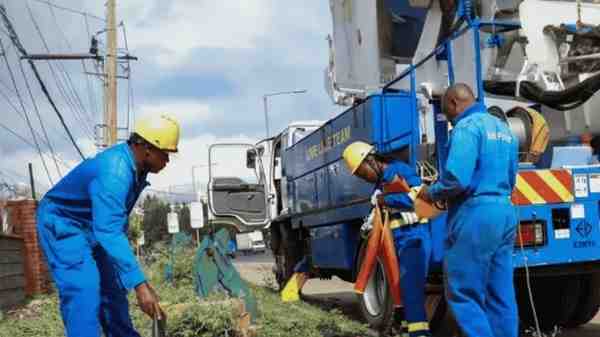

County governors across Kenya have renewed calls for Kenya Power to settle outstanding wayleave charges, a dispute now totaling billions of shillings. The standoff comes amid ongoing disagreements between counties and the national utility over electricity bills.
Also Read
What Are Wayleave Charges?
Wayleave is a legal right that allows a utility or company to install infrastructure, such as electricity lines or pipelines, on public or private land in exchange for compensation. In this case, county governments are demanding payment for Kenya Power’s use of public land for electricity infrastructure.
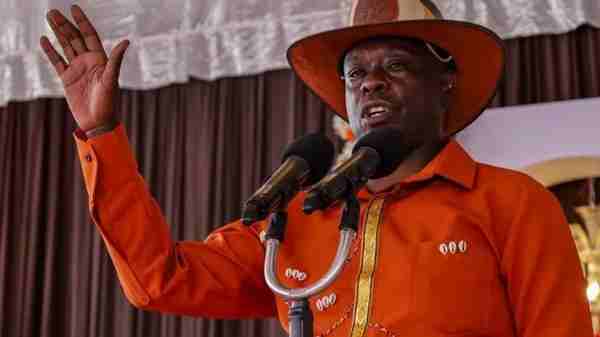
Marsabit Governor Mahmoud Ali, who chairs the Council of Governors’ energy committee, told the Senate Energy Committee that counties are willing to pay a combined Sh4.7 billion in electricity bills, but only if Kenya Power first honors its wayleave obligations.
Also Read
Tragedy in Nairobi: Two Killed in Parklands Wall Collapse Amid Rising Construction Site Deaths
Outstanding Wayleave Payments by Kenya Power
According to Governor Ali, Kenya Power owes:
- Nairobi County: Sh802 million
- Kirinyaga County: Sh192 million
- Machakos County: Sh41 million
He also accused Kenya Power of subletting infrastructure to internet service providers and collecting revenue without compensating counties, violating agreements on fair compensation and land use.
Disputes over electricity debts themselves have also emerged. For example, Kenya Power claimed Machakos County owed Sh141 million, but a forensic audit reduced the debt to Sh56 million. Similar disagreements exist across multiple counties, highlighting widespread billing inaccuracies.
Protests and Tensions
Earlier this year, tensions escalated when Nairobi County garbage trucks dumped waste outside Kenya Power’s headquarters to protest power disconnections caused by unpaid bills. Nairobi Governor Johnson Sakaja said the dispute stems from Kenya Power’s failure to pay wayleave fees dating back to 2002, totaling Sh4.9 billion.
After negotiations, Nairobi County agreed to pay Sh1.5 billion, down from an initial Sh3 billion demand. The now-defunct Nairobi Metropolitan Service had already paid Sh700 million, leaving a balance of Sh800 million. Despite sending demand notices, Nairobi County has not received a formal response from Kenya Power.
The Bigger Picture: Governance and Infrastructure
This dispute reflects broader challenges in Kenya regarding public land use, infrastructure funding, and intergovernmental accountability. County governments insist that they will fulfill their electricity obligations only if Kenya Power reciprocates with fair compensation for wayleave.
Stakeholders are urging both parties to reach a structured agreement to prevent service disruptions and ensure transparent, fair management of public utilities. Resolving this issue is crucial for counties striving to balance budgets, deliver essential services, and maintain smooth energy operations.